


Trust is eroded, communication breaks down, and the needs of the addiction often take precedence over the needs of loved ones. Social isolation can occur as individuals withdraw from friends and family, either out of shame or to hide their https://kpatalent.com/what-is-alcohol-poisoning-and-when-to-get-help-4/ substance use. During this stage, the brain’s reward system goes into overdrive, flooding the body with feel-good chemicals like dopamine.
Recognizing the Need for Change

They consist of ongoing support mechanisms following the initial treatment phase, reinforcing the skills learned during rehabilitation. Programs such as Alcoholics Anonymous (AA) and other peer support groups are essential, providing a sense of community and shared experience. Continued engagement in these networks helps maintain accountability and offers individuals a safe space to discuss their challenges. In the action stage, individuals actively engage in their recovery by implementing changes in their lives, such as Alcohol Use Disorder entering treatment programs and using coping strategies to manage triggers. Commitment to abstaining from addictive substances becomes apparent, laying the groundwork for sustainable change.
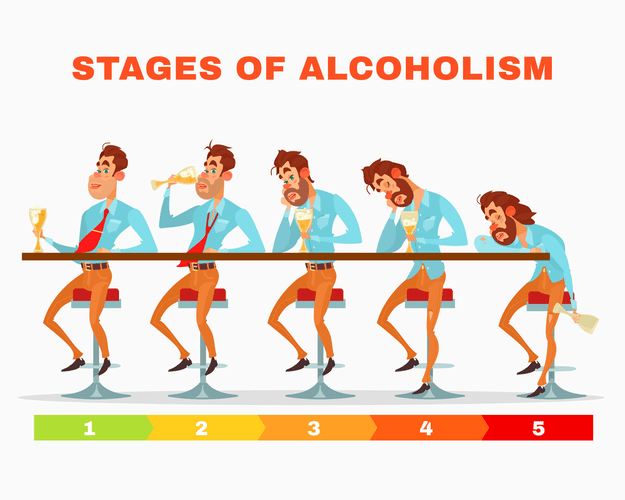
Phase 3: Risky Use and Abuse
In teen brains, the neural connections are still being formed and substance use at this point can create pathways of reward-seeking and dependence that are easily entrenched later in life. During this second stage, an individual may still not yet meet the qualifications for a diagnosed addiction or substance use disorder. This usually results in pleasurable feelings that are euphoric and enjoyable to the user. The stages of addiction are initiation, experimentation, use, misuse, and finally, addiction. Some signs of dependence also include ignoring the negative consequences of use.
Let us help you start your virtually journey to recovery.
It is considered a brain disease that affects the reward and motivation systems, leading to a loss of control over substance use behaviors. Understanding these stages is a critical step in recognizing that you may have a problem and seeking help before your substance use transforms into an addiction. Substance abuse treatment plans are tailored to individual needs, substance use history, mental and physical health history, specific challenges, and more. There are many treatment settings and therapies to provide a complete continuum of care, including medical detox, inpatient or residential treatment, outpatient treatment, and aftercare. Therapies vary but often include a combination of cognitive and behavioral therapies, group therapy, and individual and group counseling to gain the tools to manage chronic substance use. The assessment also includes a thorough review of the client’s medical and mental health issues.
Crisis and Treatment
This involves developing healthy coping mechanisms for stress, anxiety, and other triggers that might have previously led to substance use. Mindfulness techniques, exercise, and creative outlets can all play a role in building a toolkit for managing life’s challenges. Options range from medication-assisted treatment to cognitive-behavioral therapy, group counseling, and holistic approaches like mindfulness and yoga. The key is finding a combination of treatments that works for the individual. Despite the grim picture painted by the consequences of addiction, there is hope. Recovery is possible, and many individuals have successfully broken free from the grip of addiction.
Identifying Initial Use Signs
The National Institute on Drug Abuse explains that dependence does not necessarily constitute addiction. (6) For instance, in cases where a person suffering from a chronic medical condition relies on a prescription drug to feel normal, that is not addiction. It causes a person to take drugs repeatedly, despite the harm they cause. After you’ve completed therapy and medication, you’ll begin the process of sober living.
- This can be incredibly challenging, as denial is a powerful force in addiction.
- In order to delve into the stages of addiction and healing, it is essential to first have a solid understanding of addiction itself.
- One of the most important steps to getting better is understanding how you got here in the first place.
Medically-Assisted Detox
The process of developing addiction in this case tends to occur in a series of stages and, like other chronic diseases, often turns into a cycle of addiction, treatment, or abstinence choose the correct cycle of addiction. and relapse. Addiction refers to a chronic and progressive condition characterized by compulsive substance use despite harmful consequences. The seven stages of addiction include initiation, experimentation, regular use, risky use, dependence, addiction, and crisis. Each stage reflects increasing substance involvement, brain changes, and behavioral consequences, often requiring professional help for recovery. Regular use develops when substance use becomes a routine part of someone’s life. It often starts innocently, with individuals using substances socially or to manage stress.
Stage Two: Regular Use
- This might include family and friends, support groups like Alcoholics Anonymous or Narcotics Anonymous, and ongoing therapy.
- Even if we cannot assist you, we will lead you to wherever you can get support.
- Addiction is a progressive disorder that develops over time, often starting with innocent experimentation and potentially leading to a life-threatening condition.
- This overwhelming sense of powerlessness and self-disappointment reinforces internal conflict and cognitive dissonance, making the person feel trapped in the cycle.
Jellinek’s model includes the pre-alcoholic, prodromal, crucial, and chronic phases. The cycle describes how someone moves from trying a substance to becoming reliant on it. When exploring treatment options, it’s also helpful to ask, “What are the four types of alcoholics? ” These types reflect different drinking patterns, risk factors, and treatment needs. In the pre-alcoholic stage, tolerance is beginning to be developed.
Substance misuse can come in a variety of forms, and there are multiple signs that an individual may be in this stage of addiction development. Many begin to experience the first signs of drug and alcohol dependence during this stage. Experimentation can also describe not just the use of drugs or alcohol in more situations or circumstances but can also describe the curiosity around other substances.