


Type IV hypersensitivity reactions occur when a hapten or other nonimmunogenic substances combine with a carrier protein to become immunogenic. The hapten is then recognized by hapten-specific T cells in lymph nodes and undergoes sensitization (see Table 1). On subsequent exposures, T cells will undergo an elicitation phase, or become activated, and quickly be recruited to the skin to cause inflammation.
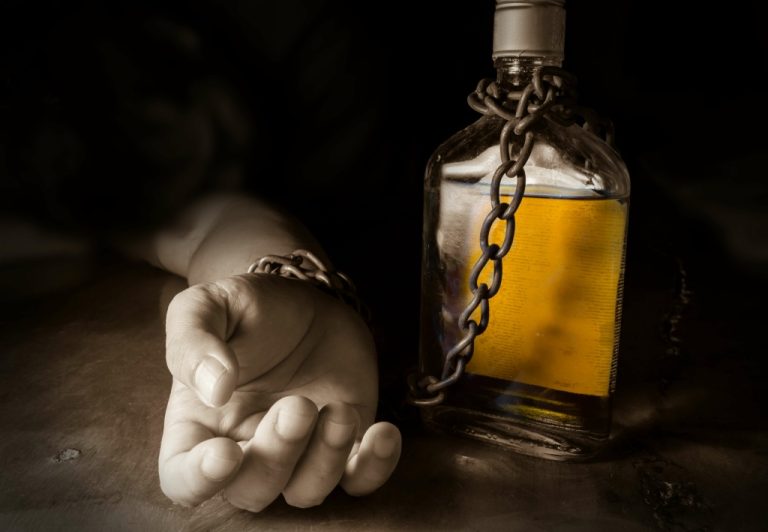
Is there a cure for alcohol intolerance?
- This characteristic, while limiting in some scenarios, offers unique advantages in selective oxidations.
- Although allergies to wine and other types of alcohol are rare, they’re possible.
- So, Dr Sim urges anyone who knows they’re allergic to certain foods, particularly grains, to be aware they could be in drinks, too.
- For example, someone with a wheat allergy may only react after eating wheat followed by drinking alcohol or exercising.
- It is estimated that as many as 50 million Americans may suffer from some type of allergy.
- The body’s immune system, mistakenly identifying alcohol as a harmful substance, releases chemicals that cause a cascade of symptoms, some of which are potentially fatal.
If you’re allergic to another ingredient contained in certain alcoholic products, switching to a different drink might be an option. If you have an allergy, your immune system over-reacts to contact with a trigger or “allergen.” If you have an alcohol allergy, your immune system treats alcohol as a threat. It responds to alcohol by producing antibodies known as immunoglobulin E (IgE). Urticaria (hives) may occur within minutes to hours of drinking alcohol and is sometimes due to allergic reaction.
Skin prick test

They don’t have one of the active enzymes needed to process alcohol — alcohol dehydrogenase (ADH) or aldehyde dehydrogenase (ALDH). Some people with Hodgkin’s lymphoma experience pain after drinking alcohol. Hodgkin’s lymphoma is a type of cancer that can affect your lymphatic system. It’s possible to develop an alcohol allergy at any point in your life. Sudden onset of symptoms may also be caused by a newly developed intolerance. In rare cases, pain after drinking alcohol might be a sign that you have Hodgkin’s lymphoma.
What Causes Alcohol Allergy?
- If you experience redness, swelling, nausea, or a headache after you drink, the problem may not be as simple as a hangover.
- If you suspect yeast as the culprit, consider switching to distilled spirits, which do not contain yeast residues.
- Another cause of asthma symptoms can be acetaldehyde which may build up when the body cannot break down alcohol properly.
- Investigators found that 83 percent of respondents reported that their symptoms developed after consumption of red wine.
In conclusion, antihistamines and over-the-counter aids offer practical relief for mild alcohol intolerance symptoms but are not one-size-fits-all solutions. Adults https://zbiks.pl/brain-damage-blindness-and-death-the-global-trail/ can experiment with dosages under medical guidance, starting with the lowest effective amount to minimize side effects. Pairing these remedies with moderation and awareness of personal triggers maximizes their benefits. However, persistent or severe symptoms warrant professional evaluation, as they may indicate underlying conditions requiring specialized treatment. Use these tools as temporary allies, not long-term crutches, in managing alcohol intolerance. If you have a true alcohol allergy, the only way to avoid symptoms is to avoid alcohol entirely.
Gastrointestinal Symptoms: Nausea, vomiting, diarrhea, or abdominal pain after alcohol intake
To determine if an ingredient in alcohol is the cause of sickness, always check the label. Allergy testing of the skin and blood should be able to determine your allergies, or at least rule some out. In the United States, about 2 to 3 percent of adults have some type of food allergy. About 5 percent of children have a food allergy, but many outgrow those allergies by adulthood. You’re not alone—let’s work together to uncover the cause and find a solution.
Persistent symptoms could indicate a more serious underlying condition, such as a drug allergy or allergic reaction. The risk factors for alcohol allergy are diverse and alcohol allergy can range from genetics to environmental exposures. Individuals with a family history of allergies or a personal history of allergic reactions are more likely to develop an alcohol allergy. Being aware of your personal risk factors, such as a family history of allergies or a personal history of allergic reactions, can help you take steps to prevent an alcohol allergy.
Exacerbation of Other Allergies
Rashes can look like flushing, hives, red itchy patches, Sober living home or dry, flaky skin. Most of the time it’s not a “true allergy” but more of an intolerance or sensitivity. This can show up as things like flushing, headaches, feeling sick, or a racing heartbeat after drinking. At the first signs and symptoms of a severe allergic reaction, it’s essential to use epinephrine and go to the nearest emergency department for immediate follow-up care.
Understanding which alcohol groups react with MnO₂ and the mechanisms involved is crucial for optimizing reaction efficiency and selectivity in both laboratory and industrial settings. There are significant risks from VIVITROL treatment, including risk of opioid overdose, severe reactions at the injection site, sudden opioid withdrawal, liver damage or hepatitis. These preservatives, found in wine and beer, are especially problematic for people with asthma. One study suggests that sulfite sensitivity may affect up to 10% of people with asthma. “Because of these many negative side effects, drinking in moderation or not consuming alcohol all together is your healthiest option,” says Heffron.
